Pest Control Services for Fleas and Ticks Around the Home
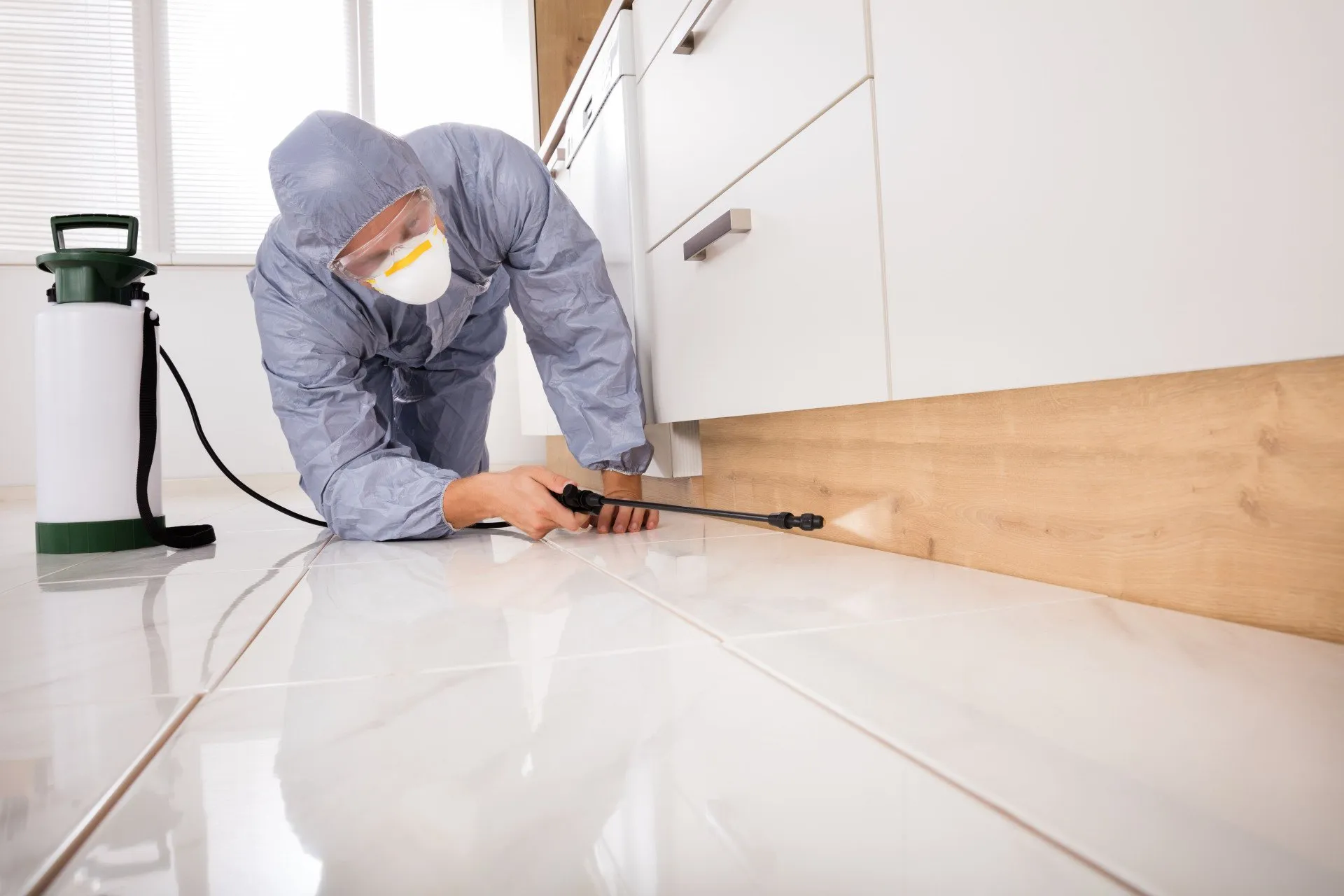


Fleas and ticks have a way of turning a comfortable home into a stressful one. They are small, persistent, and often more established than homeowners realize by the time the first bite shows up. A dog scratching at its collar, a cat grooming obsessively, a child coming in from the yard with red welts around the ankles, these are often the first visible signs. By then, the problem may already extend beyond the pet and into carpets, baseboards, shaded landscaping, and the narrow strip of soil along the foundation.
That is where professional pest control services make a real difference. Fleas and ticks are not handled well by guesswork. Store-bought sprays and one-off treatments can help in mild cases, but when these pests get a foothold, effective control depends on understanding their biology, the structure of the home, the habits of the household, and the way outdoor pressure feeds indoor infestations. Good service is not just about spraying chemicals. It is about finding where the infestation lives, interrupting the life cycle, reducing reinfestation, and choosing methods that fit the home, pets, and property.
Why fleas and ticks are harder to eliminate than they seem
Most people see the adult stage because that is what bites. The challenge is that https://josueuaag003.publishlane.com/posts/pest-control-services-for-long-term-prevention-and-monitoring adults are only part of the problem. Fleas, in particular, are notorious for hiding in plain sight through their eggs, larvae, and pupae. Adult fleas live on animals and feed frequently, but their eggs fall off into carpets, pet bedding, cracks in hardwood, furniture seams, and dusty edges under beds. A home can look clean and still support a large flea population.
Ticks behave differently, but they pose their own challenge. They spend much of their life in shaded outdoor environments, waiting on grasses, groundcover, brush edges, and low branches for a host to pass by. Some species can move indoors on pets or people, and certain environments around the home make repeated exposure likely. A shaded yard with leaf litter, a fence line shared with wildlife, or an area under a deck can keep producing ticks long after one treatment if those conditions remain unchanged.
This is why experienced technicians ask a lot of questions during the first visit. Do pets sleep on furniture? Has there been wildlife activity under the porch? Is the yard irrigated heavily? Have there been recent renovations or a tenant turnover? Was a pet sitting service involved, or did a new animal enter the home? Those details matter because flea and tick work is rarely one-dimensional.
What professional pest control services actually do
There is a common assumption that pest control services are simply about product application. In practice, the better companies spend as much effort on inspection and strategy as they do on treatment itself. A solid flea or tick program usually starts with locating hot spots and identifying whether the issue is mainly indoor, outdoor, or both.
Inside the home, technicians look for places where pets rest, areas with low light and little disturbance, and fabric surfaces that can hold eggs and larvae. In severe flea cases, they may inspect room by room, paying close attention to bedrooms, rugs, closets, upholstery, and floor transitions. One detail many homeowners miss is the role of vibration and warmth. Flea pupae can stay protected until activity signals that a host is nearby. That is why a house that sat vacant can seem fine at first, then erupt with fleas once people move through it again.
Outside, the inspection tends to focus on the pet’s path. Where does the dog wait by the back door? Where is the shaded patch near the fence? Is there mulch packed against the foundation? Are there rodent runs, feral cat resting sites, or crawlspace access points? Tick pressure often builds where moisture, shade, and animal traffic overlap. The treatment plan should reflect those realities rather than treating the whole property the same way.
A professional service may include insect growth regulators for fleas, targeted residual products for active stages, and perimeter or landscape treatments for tick-prone zones. Just as important, the service should include timing. Fleas are often not solved in a single visit because the life cycle unfolds in waves. That is not a sign the treatment failed. It is often exactly what biology predicts.
The indoor flea problem: where most infestations win or lose
If I had to point to the biggest reason flea jobs drag on, it would be underestimating the indoor environment. A pet can bring in the original fleas, but once eggs are distributed through the house, the home itself becomes the reservoir. People often treat the pet and maybe wash a bed, then wonder why bites continue two weeks later.
The answer is simple. The pet was only one part of the system.
A mature flea infestation can place different life stages in places people rarely clean aggressively. Along baseboards, under furniture, beneath couch cushions, in floor vent edges, behind doors, inside throw rugs, and in pet bedding layers, fleas exploit stillness. Vacuuming matters because it removes debris that shelters larvae and encourages pupae to emerge. Washing fabrics on a hot cycle matters because it reduces the number of viable stages in the environment. Professional treatment matters because some places cannot be reached well through routine housekeeping alone.
Homes with wall-to-wall carpet tend to hold flea populations longer than homes with tile or sealed hardwood, though upholstered furniture can narrow that advantage quickly. Multi-pet households are also more complicated, especially when one animal spends time outdoors and another spends most of its time inside. In those homes, complete coordination is essential. Treating one pet but not the others almost always leads to disappointment.
Ticks around the home: a yard problem with health stakes
Ticks carry a different kind of concern. Beyond the irritation of a bite, some species can transmit disease, which changes the urgency of control. That does not mean every tick carries a pathogen or that every yard is equally risky, but it does mean response should be measured and informed rather than casual.
Unlike fleas, ticks are usually more tied to outdoor habitat. They thrive in protected areas, especially where sunlight is limited and humidity stays higher. The border between lawn and woods is a classic trouble spot, but suburban properties without heavy woods can still support ticks if there is enough shade, irrigation, mulch, brush, or wildlife traffic. Deer get much of the attention, but smaller animals often matter just as much. Rodents, rabbits, stray cats, raccoons, and opossums can all contribute to local tick activity.
Professional pest control services for ticks often focus on zones rather than broad blanket applications. The highest-value areas are the places where people and pets actually move and where ticks can survive. That might be the perimeter around the patio, the dog run, ornamental beds along the fence, under shrubs near the entry path, or the route between the back door and the trash enclosure. Smart service concentrates effort where risk and habitat overlap.
The role of pets, and why veterinary care and pest control need to work together
No flea or tick article is complete without saying this plainly: home treatment and yard treatment are not substitutes for veterinary guidance. If pets are not on effective flea and tick prevention, the home will stay vulnerable. Pest control services can reduce the population in the environment, but if animals continue to host feeding adults, the cycle keeps going.
The best outcomes happen when the homeowner, the pest control company, and the veterinarian are pulling in the same direction. That does not mean everyone needs to be in constant communication, but it does mean the plan should be coherent. If the home is being treated for fleas while the pet’s preventive care is inconsistent, the results may look patchy and slow. If a yard is treated for ticks but the dog spends weekends hiking in untreated areas, reintroduction is likely.
There is also the issue of sensitivity. Some homes include very young puppies or kittens, elderly pets, animals with medical conditions, or species such as rabbits that require extra caution around products and application practices. A reputable company asks about all of that up front. Fast answers and generic assumptions are not enough.
What a homeowner should expect from a serious service visit
Quality service has a few unmistakable signs. The technician is attentive, specific, and interested in the pattern of the problem rather than just the appointment window. They explain where they plan to treat and why. They ask about pet sleeping areas, recent wildlife sightings, and whether bites occur indoors, outdoors, or both. They also describe what results will look like over time, because immediate elimination is not always realistic.
For fleas, it is common to see activity continue for a period after treatment as immature stages emerge and encounter treated surfaces. That can be frustrating if nobody prepared the homeowner for it. For ticks, the expectation is often a reduction in encounters around treated zones, not a guarantee that no tick will ever appear on the property again. A truthful company explains those limits.
One of the most useful parts of a visit is the preparation guidance. Homeowners usually get the best results when they know exactly what to do before and after treatment.
- Vacuum carpets, rugs, and upholstered areas thoroughly, especially where pets rest.
- Wash pet bedding, throw blankets, and removable fabric covers in hot water when appropriate.
- Keep pets on veterinarian-approved flea and tick prevention throughout the treatment period.
- Mow overgrown grass and reduce leaf litter or brush in areas being treated for ticks.
- Follow reentry instructions carefully, including pet access timing and any ventilation guidance.
That short list looks basic, but it matters more than many people expect. In practice, the difference between a drawn-out flea job and a successful one is often homeowner follow-through on these steps.
Why one treatment is sometimes enough, and often not
Mild problems can sometimes be resolved quickly. A single indoor flea service paired with immediate pet treatment, repeated vacuuming, and laundering may be enough if the infestation is recent and localized. The same goes for a small tick issue tied to a specific yard zone that is corrected along with habitat cleanup.
But those are the easier cases.
More commonly, fleas require a program over several weeks because eggs and pupae are staggered through the environment. Even when adult fleas are knocked down fast, later emergence can create the impression that the problem came back. What really happened is that the next wave matured. Good pest control services plan for that. Follow-up visits are not a sales trick when they are tied to the known life cycle and the actual severity of the infestation.
Ticks can also require ongoing seasonal attention. In some climates, tick pressure extends across much of the year. In others, activity peaks in warmer months or during transitions in spring and fall. A property near woods or with a heavy wildlife corridor may need recurring service to maintain lower risk in active areas. The right schedule depends on geography, weather, vegetation, and how the property is used.
Yard conditions that quietly support infestations
Many homes have flea and tick pressure built into the landscape design. Dense shrub lines along fences, constant irrigation, thick mulch beds, stacked firewood, leaf accumulation behind sheds, and shaded dog lounging areas all create favorable conditions. None of these features is automatically a problem, but together they can give pests exactly what they need.
I have seen backyards where the lawn looked pristine while the real issue sat in a narrow, damp strip behind ornamental grasses along the side yard. I have seen homes where ticks kept showing up because feral cats slept under a raised deck every night. I have seen flea jobs stall because pet bedding was immaculate but the dog’s favorite upholstered chair was never cleaned or treated. Those are the details that separate routine service from effective service.
Sometimes the best advice is not another product. It is changing the environment. Trimming vegetation to improve sun and airflow, keeping mulch from piling against the house, discouraging wildlife harborage, and cleaning pet resting areas more aggressively can reduce pressure significantly. A technician who understands that is usually more valuable than one who promises a miracle.
When bites are not enough to confirm the problem
One tricky part of flea and tick work is that bites alone do not prove the pest involved. Flea bites often cluster around ankles and lower legs, but not always. Tick bites can go unnoticed entirely. Other insects and skin conditions can mimic both. That is why inspection matters, especially if the household is reacting strongly but no pests have been seen.
With fleas, technicians may use visual checks in pet resting areas, inspect vacuum debris, or rely on the pattern of pet behavior and household exposure. With ticks, they may assess likely habitat and the history of ticks found on pets or clothing rather than expecting to see one during the visit. In uncertain cases, restraint is part of professionalism. Not every itch is a flea infestation, and not every yard complaint justifies an aggressive tick program.
The same caution applies to online advice. A lot of home remedies circulate because they sound harmless and accessible. Some are merely ineffective. Others create residue issues, damage surfaces, or distract homeowners from steps that actually work. Professional judgment tends to be less dramatic and more reliable.
Choosing among pest control services without getting oversold
Homeowners often ask how to tell whether a company is equipped for flea and tick work or just adding it to a generic menu. The answer usually shows up in the conversation. Companies that know the subject ask better questions and make fewer sweeping promises. They talk about life cycles, pet treatment coordination, yard conditions, and realistic follow-up. They explain where service helps most and where homeowner participation is essential.
A few points are worth listening for when comparing providers:
- Whether they inspect both indoor and outdoor areas when the situation calls for it.
- Whether they discuss pet prevention and acknowledge the veterinarian’s role.
- Whether they explain expected timelines instead of implying instant eradication.
- Whether they tailor treatments to flooring, furniture, landscaping, and household needs.
- Whether they provide clear preparation and follow-up instructions in writing.
If the conversation sounds rushed, vague, or too absolute, that is usually a warning sign. Flea and tick control is manageable, but it is rarely one-size-fits-all.
Safety, communication, and the realities of living in the home during treatment
Most homeowners are not just worried about pests. They are also worried about children, pets, and the practical disruption of service. Those concerns are reasonable. Any responsible pest control company should address them directly. That includes discussing where products will be applied, how long treated areas should remain undisturbed, whether fish tanks or sensitive pets require special precautions, and what cleaning should or should not happen immediately afterward.
Communication matters here because overcleaning can interfere with treatment, while underpreparing can reduce its impact. For example, vacuuming before a flea service is usually helpful, while deep cleaning every treated surface the same evening may not be. For tick work outdoors, timing can matter around irrigation or rain. Good providers explain these trade-offs in plain language.
It is also worth saying that no service exists in a vacuum. A busy family with toddlers, a household with rotating pet sitters, or a property with constant guest traffic may need a more practical plan than a textbook-perfect one. Experienced technicians know how to adapt without pretending those constraints do not affect results.
Seasonal pressure and why recurrence does not always mean failure
Many homeowners feel discouraged when fleas or ticks appear again months later. Sometimes that does reflect incomplete control, but often it reflects a new introduction. Pets board, wildlife moves through, neighbors have untreated animals, weather shifts, and life goes on. Recurrence is part of the ecology of these pests, especially in warmer climates.
That is why the best pest control services do more than solve the immediate outbreak. They help build a prevention routine. Indoors, that may mean regular vacuuming of pet zones and keeping preventive medication consistent. Outdoors, it may mean maintaining sun exposure in key areas, monitoring for wildlife harborage, and scheduling seasonal treatments when local tick pressure rises.
What matters is not chasing perfection. It is reducing the chance that a minor introduction becomes a home-wide infestation.
A practical standard for success
Success with fleas and ticks should be measured by declining activity, better comfort for pets and people, and a property that no longer supports easy reinfestation. For fleas, that usually means bites taper off, pets stop frantic scratching, and later-emerging adults become fewer until they disappear. For ticks, it means far fewer encounters in treated areas, stronger control along common paths, and more confidence using the yard.
Professional pest control services are most valuable when they combine technical treatment with field judgment. The right company sees the whole picture: the pet on the sofa, the shady bed by the fence, the wildlife trail behind the shed, the missed vacuuming under the guest bed, the season, the structure, the household routine. Fleas and ticks are stubborn because they exploit those small details. Effective control comes from paying attention to them.
For homeowners dealing with either pest, the smartest move is usually early action. A few bites and a scratching pet can become a much larger problem in a short span. When service is timely, targeted, and coordinated with good pet care, these infestations are very manageable. The relief is not just physical. It is the return of normal life at home, without the constant feeling that something is biting back.
Affordable Pest Solutions LLC
Phone number: +19732299547
FAQ About Pest Control Services
How much does pest control charge?
For a standard 1,500-square-foot home, professional pest control charges generally average $100 to $300 for an initial visit, with ongoing monthly services running $40 to $75 per visit and one-time emergency exterminations costing $100 to $600, depending heavily on the specific pest and the severity of the infestation.
What is the hardest pest to get rid of?
Bed bugs are widely considered the hardest household pest to get rid of, closely followed by German cockroaches and subterranean termites.
What is included in a pest control service?
A standard pest control service includes a property inspection, targeted treatments, and prevention advice. It typically covers common pests like ants, spiders, and cockroaches, using sprays, baits, or traps.